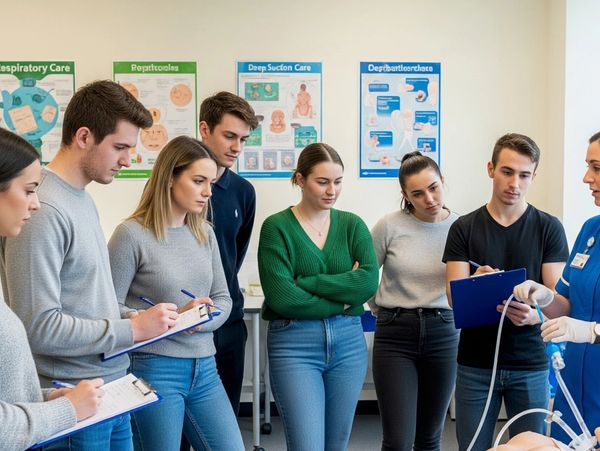
Introduction to Trauma Science and Secondary Victimization
This foundational course introduces pre-medical students to the science of trauma, its neurobiological effects, and the concept of secondary victimization within healthcare systems. Students learn to recognize trauma responses, understand institutional betrayal, and appreciate the ethical implications of medical harm.
Key topics:
Neurobiology of trauma
Adaptive vs. maladaptive trauma responses
Secondary victimization and institutional betrayal
Ethical foundations in trauma-informed care
Meets all rigorous requirements:
Aligns with AAMC behavioral science and ethics competencies
Prepares students for MCAT content on psychological, social, and biological foundations of behavior

Trauma-Informed Communication and Patient Engagement
This course develops students’ skills in trauma-informed communication, emphasizing patient-centered interviewing, active listening, and trust-building. Students practice techniques for minimizing re-traumatization and supporting patient autonomy in clinical interactions.
Key topics:
Principles of trauma-informed communication
Patient-centered interviewing and active listening
Trust-building and empathy in healthcare
Recognizing and responding to trauma activation
Meets all rigorous requirements:
Fulfills AAMC communication and interpersonal skills competencies
Directly relevant to MCAT and medical school admissions criteria for professionalism and empathy

Ethics and Social Responsibility in Trauma-Informed Medicine
Students explore the ethical responsibilities of future physicians in preventing systemic harm and advocating for trauma-informed care. The course examines medical ethics, social determinants of health, and the role of advocacy in healthcare reform.
Key topics:
Medical ethics (autonomy, beneficence, justice, non-maleficence)
Social determinants of health and health disparities
Advocacy and systemic change in medicine
Ethical dilemmas in trauma care
Meets all rigorous requirements:
Satisfies AAMC ethics and social responsibility competencies
Prepares students for MCAT content on ethical and social dimensions of medicine

Cultural Humility and Bias in Trauma Care
This course addresses the intersection of trauma, culture, and systemic bias. Students learn to identify and mitigate testimonial injustice, recognize credibility bias, and foster culturally responsive trauma care. The curriculum integrates research on health disparities and survivor-centered epistemic justice.
Key topics:
Cultural humility and trauma-informed practice
Epistemic injustice (Fricker, 2007; Kidd & Carel, 2017)
Addressing bias in assessment and care
Inclusive, survivor-centered medicine
Meets all rigorous requirements:
Fulfills AAMC cultural competency and diversity requirements
Supports MCAT content on social and cultural determinants of health

Foundations of Trauma-Informed Documentation and Advocacy
Students are introduced to trauma-informed documentation, medical record keeping, and advocacy for survivors in healthcare and legal systems. The course emphasizes accurate, sensitive, and ethical documentation practices that protect patient dignity and legal standing.
Key topics:
Principles of trauma-informed documentation
Recognizing and recording signs of trauma
Patient advocacy in healthcare and legal contexts
Legal and ethical considerations in medical recordkeeping
Meets all rigorous requirements:
Aligns with AAMC competencies in professionalism, ethics, and advocacy
Prepares students for medical school and MCAT scenarios involving documentation and patient advocacy